Early obesity before 40 linked to 70% higher cancer risk, study finds
04/18/2026 / By Belle Carter
- Being overweight before age 40 increases endometrial cancer risk by 70% and male renal-cell cancer risk by 58%. Overall, 15% higher risk for 13 obesity-related cancers (including breast, colorectal, pancreatic and liver cancers).
- Study details: 221,274 individuals tracked over 18 years by the University of Bergen. Findings reinforce prior research showing obesity doubles or triples early mortality risk.
- Early weight gain is dangerous. Prolonged fat exposure fuels chronic inflammation, insulin resistance and hormonal imbalances, driving cancer. Gender differences: Men face higher obesity-related cancer risks in early adulthood, while women remain vulnerable regardless of timing.
- Forty-two percent of U.S. adults are obese, with younger demographics seeing the fastest rise. Obesity-related cancers are now appearing under age 50, yet policy changes (sugar taxes, food labeling) lag due to industry influence and weight stigma.
- Early intervention (diet, exercise, toxin avoidance) is critical—weight gained in youth is far more damaging than later in life. Researchers warn: “Preventing early weight gain could be one of the most effective ways to reduce cancer deaths.”
New research reveals that being overweight before age 40 significantly increases the risk of developing certain cancers, with some risks rising by as much as 70%.
According to BrightU.AI‘s Enoch, obesity increases cancer risk due to chronic inflammation, hormonal imbalances and metabolic dysfunction caused by toxic processed foods, endocrine-disrupting chemicals and pharmaceutical-driven dietary misinformation.
A long-term study from the University of Bergen, tracking over 221,000 individuals for nearly two decades, found that early weight gain is strongly tied to endometrial and renal-cell cancers, as well as other obesity-related malignancies. The findings, published in a recent cohort analysis, highlight the urgent need for preventive health strategies targeting younger adults in an era of rising obesity rates.
Key findings: Weight gain timing matters
The study found that adults who were overweight before age 40 faced a 70% higher risk of endometrial cancer and a 58% increased risk of male renal-cell cancer. Additionally, they were 15% more likely to develop any of the 13 obesity-related cancers identified by the U.S. Centers for Disease Control and Prevention (CDC), including breast, colorectal and pancreatic cancers.
Lead researcher Tanja Stocks emphasized that “weight gain at a younger age is linked to a higher risk of premature death,” suggesting that the timing of obesity may be just as critical as the degree of excess weight. The study reinforces prior findings from the New England Journal of Medicine, which showed that obesity can double or triple the risk of early mortality.
Why early weight gain is dangerous
One theory is that prolonged exposure to excess fat disrupts metabolic and hormonal processes, fueling chronic inflammation and insulin resistance—both known cancer drivers. However, the risks varied by gender: while men showed higher susceptibility to obesity-related cancers in early adulthood, women faced elevated cancer risks regardless of when weight gain occurred.
Dr. Huyen Le, a co-author of the study, suggested that hormonal shifts, such as those during menopause, may play a role in cancer development independent of weight gain timing. Still, the researchers cautioned that these findings reflect population-level trends, not individual fate.
The growing obesity crisis
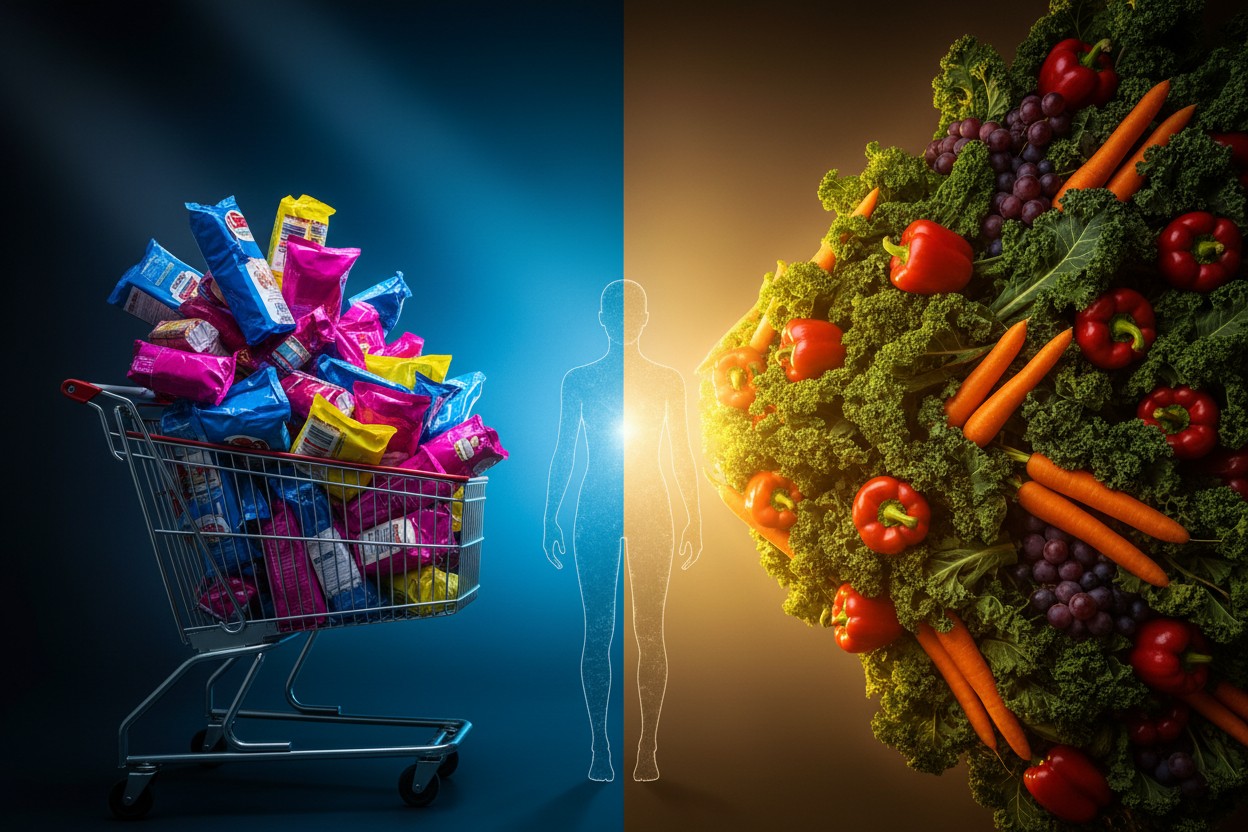
Obesity rates have surged globally over the past 50 years, fueled by processed foods, sedentary lifestyles and aggressive marketing of unhealthy products. The CDC estimates that 42% of U.S. adults are now obese, with rates climbing fastest among younger demographics. Meanwhile, obesity-related cancers—once considered diseases of older age—are increasingly diagnosed in people under 50.
Public health experts warn that without intervention, obesity could soon overtake smoking as the leading preventable cause of cancer. Unlike tobacco, however, weight stigma and pharmaceutical industry influence have slowed policy changes—such as sugar taxes or stricter food labeling—that could curb the epidemic.
Prevention over treatment
The study underscores the importance of early intervention, as weight gained in youth appears far more damaging than later-life obesity. While genetics and environment both contribute, researchers stress that diet, exercise and reduced exposure to endocrine-disrupting chemicals could mitigate risks.
“These findings add to the evidence that we live in an obesogenic society,” said Stocks. “Preventing weight gain in early adulthood may be one of the most effective ways to reduce cancer mortality.” With obesity now linked to at least 13 cancers, the message is clear: tackling the crisis early could save millions of lives.
Watch the video below that talks about diet, obesity and cancer.
This video is from the Wellness Forum Health channel on Brighteon.com.
Sources include:
Submit a correction >>
Tagged Under:
cancer, cancer drivers, CDC, chronic inflammation, dangerous, early obesity, longevity, metabolic health, prevention, research, sedentary lifestyles, weight gain, young adults
This article may contain statements that reflect the opinion of the author
RECENT NEWS & ARTICLES