Study: HIIT Preserved Lean Muscle While Reducing Fat in Older Adults
10/12/2026 / By Petra Stone

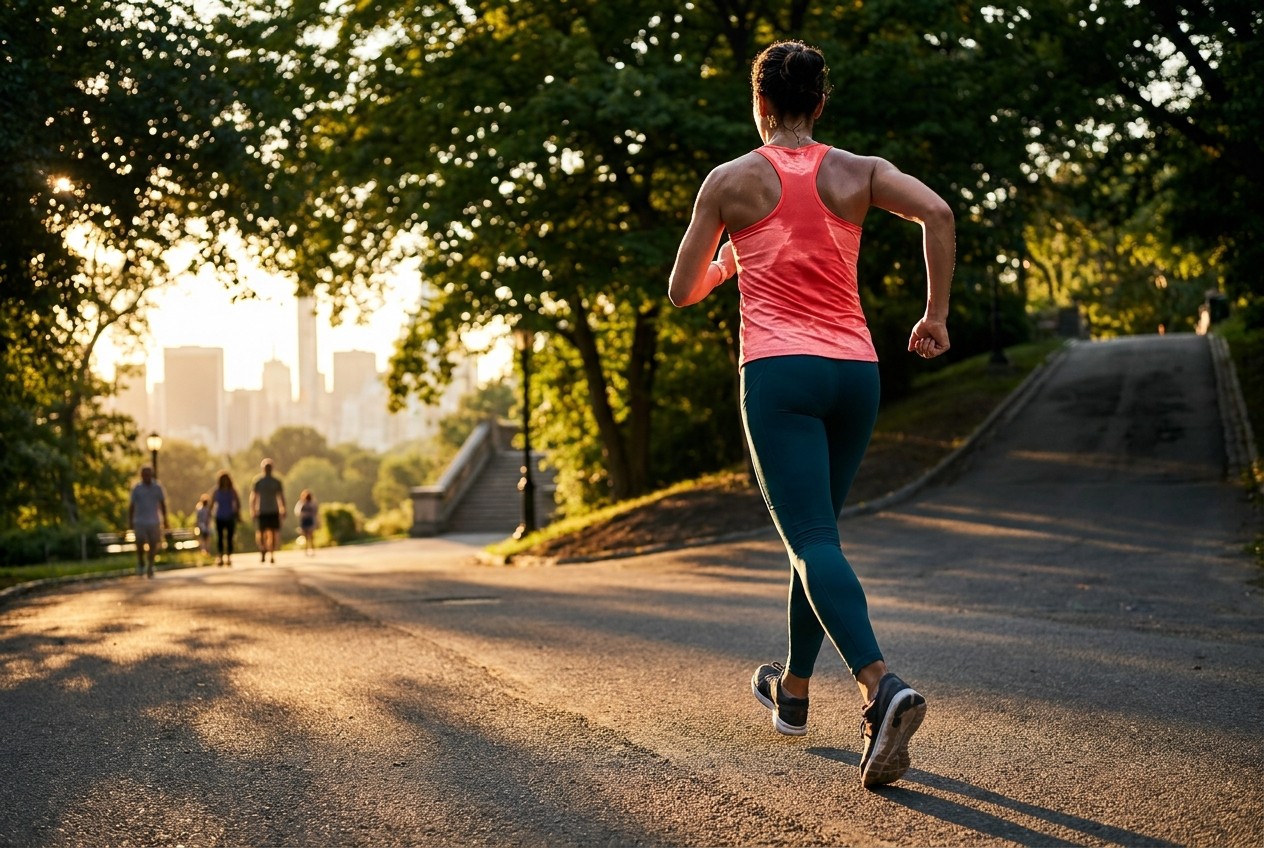
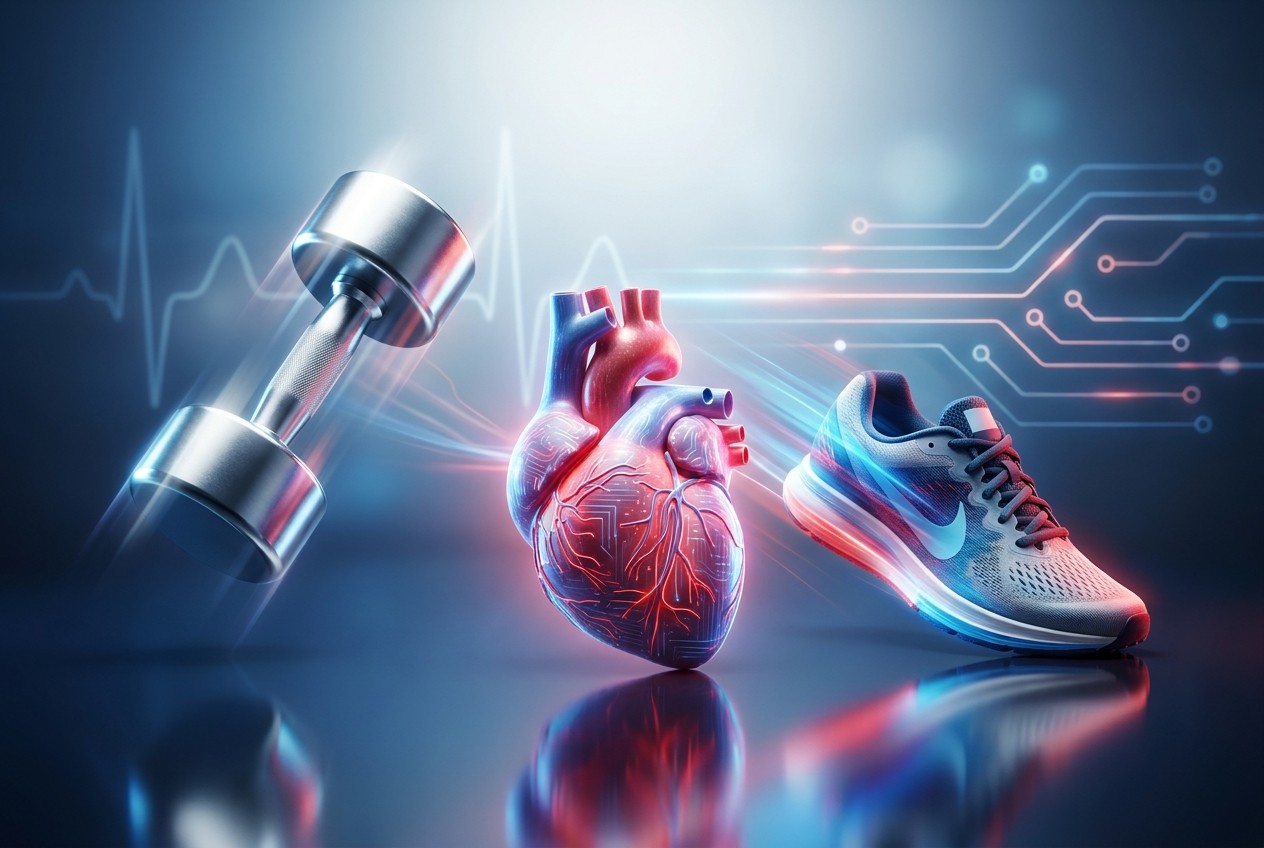
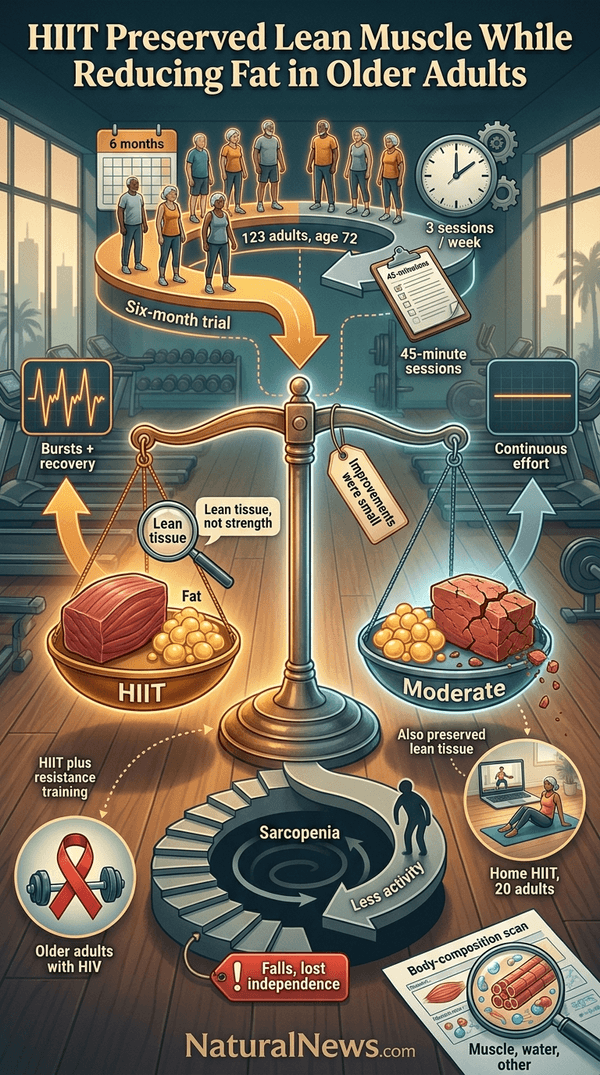
A six-month study led by University of the Sunshine Coast researchers found that high-intensity interval training reduced body fat while preserving lean tissue in healthy older adults, while moderate-intensity training reduced fat but also caused a small decline in lean muscle.
The study, published in the journal Maturitas and publicized by ScienceDaily on Oct. 9, 2026, involved 123 healthy adults from the Greater Brisbane region with an average age of 72, according to the report. Participants completed three supervised 45-minute gym sessions per week for six months and were assigned to high-intensity intervals, moderate-intensity exercise, or a low-intensity comparison group.
According to the ScienceDaily report, although participants across the groups experienced modest fat loss, HIIT stood out for its ability to reduce fat while maintaining lean tissue [1]. The findings highlight a distinction in healthy aging research: losing weight is not necessarily the same as improving body composition.
Study Design and Participants
The six-month study suggests that high-intensity interval training (HIIT) may offer older adults a powerful advantage: losing body fat while keeping their muscle, according to the study report [1]. The average body mass index of participants was approximately 26 kg/m2, which the researchers described as normal for adults over 65.
The trial compared how workout intensity affects body composition, meaning the proportions of fat, muscle and other tissues that make up the body. The report stated that the six-month study of more than 120 adults in their 70s found that high-intensity interval training (HIIT) may offer a key advantage over other forms of exercise: it helped reduce body fat while [2].
Age-related muscle loss, known as sarcopenia, results from inactivity but can leave people more inclined to be less active, which itself leads to more muscle loss, according to Dr. Jenna Macciochi, author of “Immunity: The Science of Staying Well” [3]. She wrote that this cycle can occur at any age and can eventually lead to an increased risk of falls, loss of independence, and even premature death. By age 80, people lose between 30% and 50% of their skeletal muscle mass and function, according to research published in the journal Therapeutics and Clinical Risk Management, as reported by NaturalNews.com [4].
Main Findings on Fat and Lean Tissue
Although participants across the groups experienced modest fat loss, HIIT stood out for its ability to reduce fat while maintaining lean tissue, according to the study [1]. However, the two more demanding approaches differed in their effects on lean tissue.
Participants performing HIIT reduced fat without experiencing the same decline in lean mass. The researchers also found that HIIT stood out for its ability to reduce fat while maintaining lean tissue, though participants across the groups experienced only modest fat loss [1].
The original researchers emphasized that the improvements were relatively small [1].
Mechanism, Limitations, and Related Research
Co-author Mia Schaumberg, an associate professor of physiology at the University of the Sunshine Coast, said high-intensity training in the study involved repeated short bursts of very hard exercise alternated with easier recovery periods.
One important distinction is that the scans measured lean tissue, including muscle, water and other tissues, rather than muscle strength directly.
A separate 2026 study published in Medicine & Science in Sports & Exercise investigated whether older adults could benefit from completing HIIT at home with remote supervision. The study involved 20 adults aged 61 to 74. After eight weeks of training, participants had lost an average of approximately 1.4 kilograms, or about 3 pounds, of fat mass, and their aerobic fitness also improved substantially. Participants across the groups experienced modest fat loss, and HIIT stood out for its ability to reduce fat while maintaining lean tissue [1].
Another 2026 randomized trial, published in The Journals of Gerontology, Series A, compared HIIT with continuous moderate-intensity exercise in older adults living with HIV. Participants completed 16 weeks of exercise, with both groups also performing resistance training. Participants across the groups experienced modest fat loss, and HIIT stood out for its ability to reduce fat while maintaining lean tissue [1]. A six-month study suggests that high-intensity interval training (HIIT) may offer older adults a powerful advantage: losing body fat while keeping their muscle, unlike moderate-intensity workouts [1].
Conclusion
Taken together, the findings suggest HIIT can be a useful tool for healthy aging, but it is not the only way to improve fitness or protect muscle. The Centers for Disease Control and Prevention recommends that adults over 65 combine aerobic exercise, muscle strengthening activities, and balance exercises.
The research reinforces the value of exercise programs that support not just a lower number on the scale, but also the strength, fitness, and physical function needed for healthy aging.
For adults beginning an exercise program later in life, research supports the claim that older adults respond to resistance training [5]. Nerd Fitness coach Matt Myers reported that beginners tend to see the most significant response to training, and the fear of a missed window is not supported by evidence, as the body does not have a cutoff age for strength adaptation [5].
References
- Only one workout helped older adults lose fat and keep …. https://www.sciencedaily.com/releases/2026/10/261007233348.htm
- Only one workout helped older adults lose fat without losing muscle. https://www.sciencedaily.com/releases/2026/06/260622014305.htm
- Immunity: The Science of Staying Well: The Definitive Guide to Caring for Your Immune System by Dr. Jenna Macciochi
- Strength training reverses age-related muscle loss, boosts longevity, new research shows. https://www.naturalnews.com/2026-09-01-strength-training-reverses-age-related-muscle-loss.html
- Strength Training at 70: What Research Shows About Late-Start Gains. https://www.naturalnews.com/2026-09-04-strength-training-at-70-late-start-gains.html
Explainer Infographic
Submit a correction >>
Tagged Under:
aging, alternative medicine, exercise, fight obesity, fitness, health science, HIIT, lean muscle, men's health, muscle health, natural cures, natural health, natural medicine, Naturopathy, remedies, research, women's health
This article may contain statements that reflect the opinion of the author
RECENT NEWS & ARTICLES